
Trick, Treat, or Transparency? Taking a Closer Look at Halloween Candy
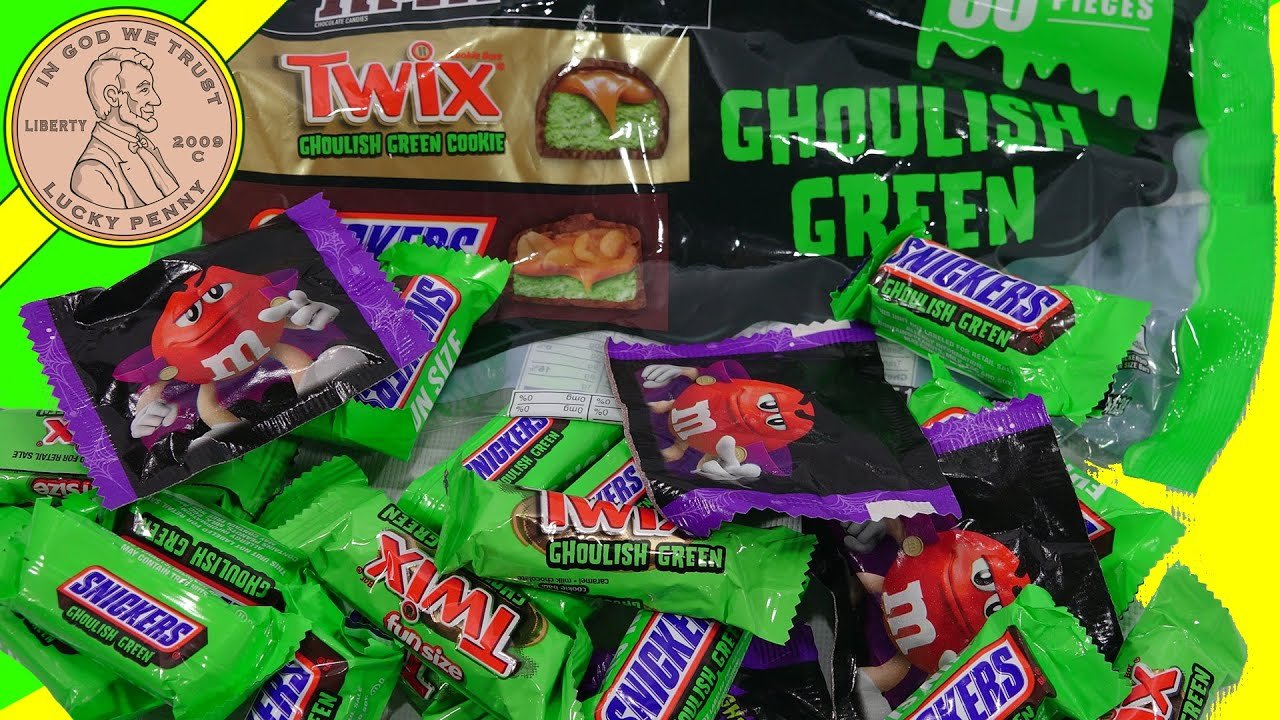
Halloween is almost here, and for millions of Americans, that means costumes, decorations, and, of course, candy.
According to the National Retail Federation, 96% of consumers celebrating Halloween in 2026 plan to purchase candy, with Americans expected to spend approximately $4.1 billion on Halloween sweets. Overall Halloween spending is projected to reach a record $13.5 billion. National Retail Federation: 2026 Halloween Survey
Candy is a major part of the holiday, but it also raises an important consumer question: How much do we really know about the products we are buying and handing out to our children?
Halloween is a good opportunity to take a closer look.
What's Really in the Treat?
Most of us choose Halloween candy based on taste, price, or nostalgia. We grab the brands we grew up with or look for whatever is on sale.
But some substances in food cannot be seen, smelled, or tasted.
One example is lead. The U.S. Food and Drug Administration has established a recommended maximum level of 0.1 parts per million of lead in candy likely to be consumed frequently by small children. The FDA has also investigated lead contamination in candy and identified ingredients and manufacturing practices as potential sources. FDA: Lead in Candy Guidance
The CDC takes a broader public-health approach, stating that no safe level of lead in children's blood has been identified and emphasizing prevention of exposure. CDC: Preventing Lead Exposure in Children
This doesn't mean that Halloween candy is inherently unsafe. It means that consumers cannot determine everything about a product simply by looking at the package.
That's where independent testing can provide another piece of the puzzle.
What Has Independent Testing Found?
Tamara Rubin and Lead Safe Mama maintain an archive of independent laboratory testing covering a variety of food products and candies. Their candy testing has included familiar Halloween favorites and has looked for substances including lead, cadmium, mercury, and arsenic. Lead Safe Mama laboratory reports
Among the recognizable candies and chocolate products included in their testing are:
M&M's Milk Chocolate Candies: Lead Safe Mama reported detecting lead in a 2024 sample, while cadmium was not detected. M&M's laboratory report
Hershey's Milk Chocolate: Their archive includes testing that reported lead and cadmium in the sample examined. Lead Safe Mama candy testing archive
Hershey's Milk Chocolate Kisses: Testing examined the product for lead, cadmium, mercury, and arsenic. Lead Safe Mama candy testing archive
KitKat: A 2024 report examined KitKat for lead and cadmium. Lead Safe Mama candy testing archive
Twix: Lead Safe Mama reported testing the product for lead, cadmium, mercury, and arsenic, with cadmium detected in the sample. Lead Safe Mama candy testing archive
Reese's Peanut Butter Cups: A 2024 report examined the classic milk-chocolate product and reported cadmium in the tested sample. Lead Safe Mama candy testing archive
Mounds Dark Chocolate & Coconut: Testing examined the snack-size product for lead, cadmium, mercury, and arsenic and reported cadmium in the sample. Lead Safe Mama candy testing archive
Butterfinger Fun Size: Lead Safe Mama tested this product for Halloween candy research and reported cadmium in the sample. Butterfinger Fun Size laboratory report
These results need context. They are independent tests of specific samples, not evidence that every product made by a particular company contains the same levels. A laboratory result also does not automatically mean a product violates a federal regulation or has been recalled.
That distinction is important.
Independent testing can raise questions and provide useful information, but consumers should look at the actual test, the sample tested, the date, the substance measured, and the benchmark used to interpret the result.
Why Does Chocolate Get So Much Attention?
Chocolate has received particular attention in discussions about heavy metals.
Consumer Reports has conducted its own testing of dark chocolate products and reported detecting lead and cadmium in the products it examined. The organization has also explained that cadmium can be taken up by cacao plants from soil, while lead can enter chocolate through environmental contamination and processing or handling. Consumer Reports: Lead and Cadmium in Chocolate
The FDA has similarly noted that its historical data showed differences in lead concentrations between milk and dark chocolate samples. FDA: Supporting Document on Lead in Candy
For consumers, the takeaway isn't that chocolate should automatically be avoided.
It is that the appearance, marketing, or popularity of a product does not tell us everything about its composition.
So, What Can Consumers Do?
The good news is that being an informed consumer doesn't mean giving up Halloween.
A few simple habits can help.
Read the label. Check ingredients and allergen information, particularly when purchasing candy for children with food allergies.
Inspect the packaging. The FDA recommends making sure Halloween candy is commercially wrapped and checking for unusual appearance, discoloration, or damaged packaging. FDA: Halloween Safety Tips
Look for reliable information. When questions arise about a product, check information from government agencies, manufacturers, and independent testing organizations.
Understand what a test result means. A result from one sample is not automatically representative of every product or every batch.
Ask questions. Consumers can contact manufacturers and ask about ingredient sourcing, quality control, and testing practices.
Most importantly, don't let a headline do all the thinking for you.
Look at the underlying information.
Transparency Is the Real Treat
Halloween should be fun. Children should be able to dress up, visit their neighbors, and come home with a bag full of treats.
But consumers also deserve meaningful information about the products they purchase.
The Environmental Research Center's work includes independent laboratory testing and consumer education concerning potentially hazardous substances in consumer products. That work reflects a simple idea: consumers should have access to information that helps them make informed choices.
Independent testing is one part of that conversation.
So this Halloween, enjoy the candy. Read the labels. Pay attention to food-safety information. And when independent testing raises questions, take a closer look at the evidence.
Because when it comes to the products we put into our bodies, consumers deserve more than a trick or a treat.
They deserve transparency.
This version is roughly 1,000 words, keeps the recognizable candy examples, and avoids making the independent test results sound like universal or regulatory findings.
————————————————————————————-
Sources: