
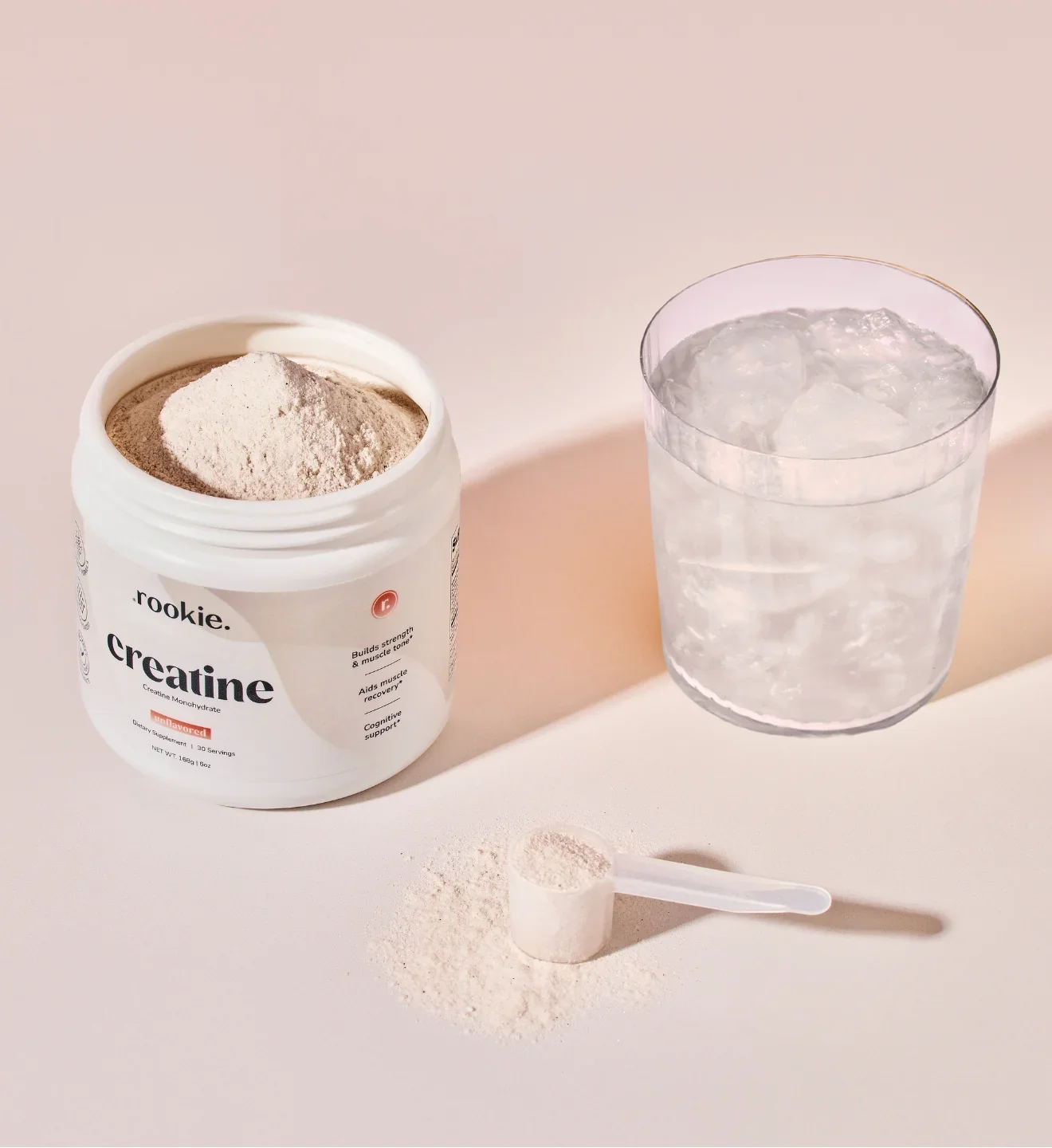
From Gym Powder to Gummies: The Creatine Boom
Your gym friend took it. Your favorite wellness influencer probably talks about it. And now, creatine isn't limited to giant tubs of powder in the bodybuilding aisle.
It's showing up in gummies, soft chews, beverages, and combination products being marketed to a much wider audience. Industry data presented by SPINS in 2026 described creatine's transition from a niche sports supplement into a mainstream wellness ingredient, with creatine gummies showing particularly strong growth. ¹
Creatine itself isn't new. In fact, it's one of the most extensively studied ingredients used in sports supplements. What's changing is the way consumers encounter it.
First, What Exactly Is Creatine?
Creatine is a compound naturally produced by the body and stored primarily in skeletal muscle. We also get creatine through foods, particularly animal-based foods such as meat and fish. ²
Its main role is connected to energy.
When you’re doing high-intensity activities like lifting weights or sprinting, your muscles need a quick burst of energy. Creatine helps maintain the availability of ATP; a molecule cells used for energy. This is one reason creatine has been associated with gyms and athletes for decades. ²
According to the National Institutes of Health's Office of Dietary Supplements (NIH ODS), creatine supplementation can improve strength, power and the ability to perform repeated bouts of short, high-intensity exercise. It appears to offer much less benefit for endurance activities such as distance running or swimming. ²
From Gym Supplement to Wellness Trend
What's different today is the audience and the packaging.
Creatine is increasingly becoming part of the broader wellness market rather than something marketed exclusively to bodybuilders and competitive athletes.
SPINS reported in April 2026 that creatine powders still represented most category sales, but newer formats were gaining ground. Gummies, soft chews, beverages and products combining creatine with other functional ingredients are increasingly appearing in the market. SPINS reported creatine gummy dollar growth of 277% in its data. ¹
Other industry analysis has similarly documented growth in the number of creatine gummy products and brands. ³
In other words, the creatine itself isn't new. The way it's being packaged and marketed is.
A scoop of white powder can feel like a specialized sports supplement. A fruit-flavored gummy that fits next to vitamins and other wellness products can feel like something entirely different.
Does Creatine Actually Work?
Unlike many ingredients that suddenly become wellness trends, creatine has decades of research behind it.
NIH ODS reports that numerous studies support creatine's ability to improve performance during repeated bouts of high-intensity exercise and increase strength and power. Creatine monohydrate is also the form most used and studied. ²
Research has continued beyond athletic performance into other potential applications, but it's important to distinguish established evidence from newer areas of investigation.
What About Safety?
Creatine is generally considered safe for healthy adults when used appropriately. Research reviewed by the International Society of Sports Nutrition has found creatine supplementation to be well tolerated in healthy individuals, including in studies examining longer-term use. ⁴
One of the most observed side effects is weight gain, which can occur partly because creatine increases water retention. ²
But there's another consumer-safety distinction worth making:
Research on one ingredient isn’t necessarily research on every product that contains that ingredient.
A creatine gummy, flavored powder or beverage is a finished product. Depending on its formulation, it may contain sweeteners, flavors, acids, colors and other ingredients in addition to creatine.
That means consumers aren’t simply choosing whether to consume creatine. They’re choosing among many different products containing it.
Supplements Aren't Approved Like Drugs
Creatine products marketed as dietary supplements also fall under the broader U.S. regulatory framework for supplements.
The U.S. Food and Drug Administration does not approve dietary supplements for safety and effectiveness before they're marketed. Instead, manufacturers and distributors are responsible for ensuring that their products comply with applicable safety and labeling requirements. The FDA can act against dietary supplements that are adulterated or misbranded. ⁵
That's an important distinction when an ingredient becomes extremely popular.
A substantial body of scientific research on creatine does not mean FDA has individually approved every creatine supplement being sold.
Consumers may therefore want to look beyond the large claims on the front of a package and consider the complete ingredient list, serving information and manufacturer information.
An Old Ingredient in a New Package
Creatine's rise tells us something bigger about today's wellness market.
The line between sports nutrition and everyday wellness is becoming increasingly blurry. Ingredients once associated primarily with athletes are now being repackaged into convenient, colorful and social-media-friendly products designed for a much broader audience.
Creatine didn't suddenly appear in 2026.
Our relationship with it changed.
And as more supplements make the jump from specialized products to everyday wellness trends, it's worth asking a few simple questions:
What does research support? How much am I getting? What else is in the product?
Sometimes the newest wellness trend isn't new at all.
It's an old ingredient in a new package.
Sources
SPINS. What SPINS Saw at Expo West 2026. April 14, 2026.
National Institutes of Health, Office of Dietary Supplements. Dietary Supplements for Exercise and Athletic Performance: Creatine.
Nutrition Integrated data reported by Nutraceutical Business Review. Creatine Gummies Market Grows 50% in Past Year. January 16, 2026.
Kreider RB, et al. International Society of Sports Nutrition Position Stand: Safety and Efficacy of Creatine Supplementation in Exercise, Sport, and Medicine. Journal of the International Society of Sports Nutrition.
U.S. Food and Drug Administration. Questions and Answers on Dietary Supplements.