
The Psychology of a “Clean” Label: Why Certain Words Earn Our Trust
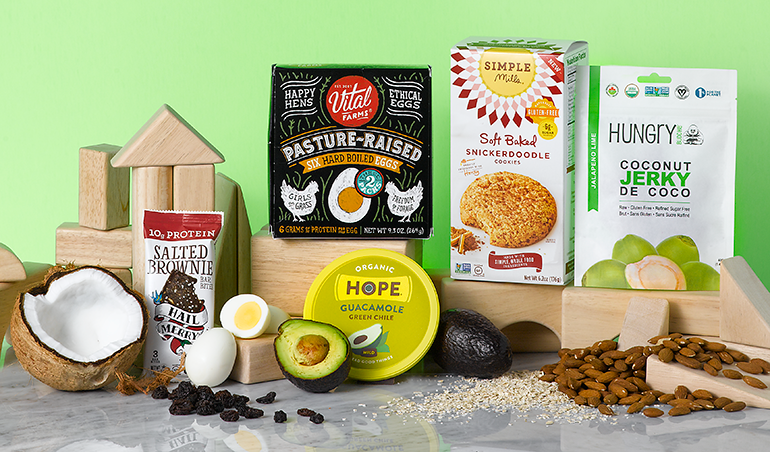
How much influence can a single word have on what we buy? Research suggests that product labels can shape perceptions of healthfulness, quality, and trust.
Some labeling terms have specific regulatory meanings. Others are broadly used in marketing without consistent definitions. Understanding these differences can help consumers make more informed purchasing decisions.
Why Certain Words Earn Our Trust
Consumers often rely on familiar words and descriptions when choosing products.
Researchers describe a psychological phenomenon known as the halo effect. This occurs when a positive impression of one characteristic influences how we perceive other qualities.
A product labeled natural may also be perceived as healthier or more environmentally friendly, even when those characteristics have not been independently verified.
Research has identified a similar pattern called the health halo, where certain labeling claims influence perceptions of a product's overall nutritional quality.
These associations can shape purchasing decisions before consumers review the supporting evidence.
What Do “Natural” and “Clean” Really Mean?
The U.S. Food and Drug Administration (FDA) has historically interpreted “natural” on conventional food labels to mean that nothing artificial or synthetic has been added that would not normally be expected in the food.
This interpretation does not address every aspect of production or establish that a product is free from contaminants.
Lead and cadmium can occur naturally in soil and water. These substances may enter agricultural ingredients before manufacturing begins.
Meanwhile, “clean” has no single federal definition across foods, cosmetics, and dietary supplements.
One manufacturer may use the term to describe the absence of selected additives. Another may associate it with ingredient sourcing or manufacturing practices.
Without clearly defined criteria, consumers may find it difficult to compare products carrying similar claims.
What Research Tells Us About Product Labels
A 2022 study published in Appetite examined how organic labels influenced perceptions of food healthfulness.
Researchers found that organic labeling affected participants' judgments. In one comparison, an organic cookie was perceived as comparably healthy to a conventional cookie despite containing more sugar and fat.
Another study published in Health Communication found that including “protein” in a product's name increased perceptions of its overall healthfulness.
These findings demonstrate how marketing language can influence consumer expectations beyond the specific information provided.
Looking Beyond Marketing Claims
Product labels provide useful information, but they cannot communicate every aspect of a product's chemical composition.
Laboratory testing offers additional insight by measuring selected substances, including lead, cadmium, and certain per- and polyfluoroalkyl substances (PFAS).
Results must be interpreted within the context of testing methods, measured concentrations, estimated exposure, and applicable regulatory standards.
For organizations such as the Environmental Research Center (ERC), independent testing and California Proposition 65 enforcement help identify and address potential chemical exposures in consumer products.
A product's marketing description alone does not determine whether a Proposition 65 warning is required.
Transparency Beyond the Label
Terms such as “clean,” “natural,” and “pure” can influence consumer trust, but their meanings vary.
Manufacturers can strengthen transparency by clearly explaining their claims and providing supporting evidence.
Consumers can also look beyond familiar marketing language to better understand product ingredients, testing practices, and available information.
At ERC, we believe consumer confidence should be built on transparency, reliable information, and accountability rather than marketing claims alone.
Sources and References